

WhatsApp:
+8613723476882
E-mail:
E-mail:
A1213 Niulanqian Mansion, Minzhi Blvd, Longhua District, Shenzhen City, Guangdong Province, China
Views: 0 Author: Site Editor Publish Time: 2026-10-26 Origin: Site


The reliance on subsea robotics has surged exponentially across offshore energy, aquaculture, and maritime infrastructure sectors. Despite this rapid adoption, procurement managers frequently find themselves navigating a highly fragmented market. Finding a supplier capable of delivering genuinely reliable commercial assets remains a significant challenge. Selecting the right manufacturer dictates the operational longevity and return on investment for your entire fleet. This guide explores the critical parameters for choosing a supplier, ensuring you make a sound investment in complete, turnkey subsea systems.
Supplier Match: Always align your supplier’s expertise with your project’s technical complexity and operational scale.
Beyond the Sub: Prioritize manufacturers offering scalable ecosystems, including complete turnkey systems and specialized payloads.
Evaluate Core Factors: Base purchasing decisions on depth rating, modularity, ease of use, power management, and after-sales support.
Return on Investment: Select equipment that rigorously complies with maritime regulations and opens up profitable commercial applications.
Procuring subsea equipment represents a massive capital expenditure. The market spans a wide spectrum of hardware, ranging from fragile recreational gadgets to heavy-duty industrial workhorses. Choosing the right manufacturer directly dictates your operational uptime, maintenance overhead, and overall path to profitability. I have seen poorly manufactured systems flood on their first fifty-meter dive, proving that upfront savings often lead to catastrophic offshore failures.
Drawing a hard line between consumer drones and true commercial assets is vital for any engineering team. Consumer models are designed for clear, calm waters and basic visual observation. In stark contrast, an Industrial ROV is engineered to survive the most unforgiving marine environments. Picture navigating zero-visibility waters choked with sediment. Imagine fighting a strong crosscurrent to inspect a bridge piling. Commercial systems utilize robust materials like hard-anodized aluminum and specialized synthetic polymers to survive these exact scenarios.
Furthermore, commercial units feature open architectures. Operators can seamlessly integrate third-party multibeam sonars, acoustic positioning systems, and heavy-duty robotic manipulators. Dedicated industrial manufacturers ensure the equipment handles rigorous daily deployments without suffering premature mechanical failure or pressure vessel breaches.
Unexpected downtime translates immediately to lost revenue. Piecing together diagnostic data from multiple vendors during an offshore failure causes severe project delays. Experienced engineers prefer suppliers offering comprehensive, ready-to-deploy packages.
A complete package includes the submersible vehicle, a neutrally buoyant zero-snag tether, a topside control console, and integrated diagnostic software. Procuring a fully integrated system eliminates compatibility headaches. It streamlines troubleshooting and provides a single point of accountability for technical support and rapid parts replacement.
To make an objective purchasing decision, buyers must evaluate manufacturers based on specific technical criteria. Below is a practical engineering breakdown of what separates professional gear from recreational toys.
Specification Feature | Hobbyist / Consumer Grade | Commercial / Industrial Grade |
|---|---|---|
Depth Rating | 50 to 100 meters | 300 to 1000+ meters |
Chassis Material | Standard molded plastics | Hard-anodized aluminum, carbon fiber |
Thruster Configuration | 3 to 4 standard thrusters | 6 to 8 vectored magnetic-coupled thrusters |
Payload Integration | None or proprietary only | Open ports, RS485, Gigabit Ethernet |
Depth rating is the foundational specification of any subsea vehicle. Match the pressure capabilities to your specific industry requirements. Inspecting a shallow-water aquaculture net requires vastly different pressure tolerances than routing deep-sea oil pipelines at three hundred meters. Ensure the manufacturer rigorously tests their pressure vessels and provides verifiable documentation for their stated depth ratings.
A high-quality Underwater ROV serves as a versatile data-collection platform, not just a swimming camera. Evaluate the supplier's ability to integrate modular add-ons. The vehicle requires sufficient buoyancy and physical mounting space to carry heavy payloads. Look for standardized data interfaces like RS485 or Gigabit Ethernet. These connections allow seamless integration of water quality sensors, laser scalers, and non-destructive testing probes.
Complex offshore equipment demands intuitive control systems. The topside software must display real-time telemetry, depth, and heading without overwhelming the pilot. Assess the training infrastructure provided by the supplier. Reliable manufacturers offer comprehensive operator training to ensure your team can deploy the equipment safely and efficiently from day one.
Power management dictates your operational endurance. Onboard batteries provide excellent portability but inherently limit mission duration to typically four to eight hours. Surface-supplied power allows continuous operation but requires robust tether management. Trustworthy suppliers offer motorized slip-ring reels to prevent cable entanglement and reduce operator fatigue during recovery.
Marine environments are notoriously unforgiving. Even the most robust equipment eventually requires maintenance. Prioritize manufacturers offering transparent warranty terms, round-the-clock engineering support, and rapid dispatch of critical replacement parts like thrusters and waterproof seals.
Recent offshore market analyses reveal a significant paradigm shift in subsea procurement. The industry is rapidly moving away from fragmented hardware setups. Today, commercial operators demand unified, ecosystem-based procurement. Market data shows modern buyers prioritize seamless software integration, semi-autonomous navigation capabilities, and artificial intelligence-driven defect recognition over raw hardware specifications.
Consequently, the most sought-after manufacturers operate as full-stack technology partners. Rather than simply selling a physical vehicle, they offer cloud-based data management platforms, automated reporting tools, and predictive maintenance algorithms. Aligning your procurement strategy with these software-driven trends ensures your fleet remains technologically relevant and highly competitive for years to come.
Buyers have several distinct avenues for procuring underwater robotics. Understanding the structural differences between these suppliers helps align your purchase with your operational logistics.
Purchasing directly from an original equipment manufacturer establishes a direct line of communication to the design engineers. This route often provides early access to firmware updates, deep technical customization options, and transparent pricing without middleman markups. However, international shipping times and time zone differences must be factored into your project timeline.
Distributors act as localized representatives for global manufacturers. They offer the distinct advantages of faster regional shipping, deep knowledge of local regulatory compliance, and accessible technical support. Distributors frequently bundle vehicles with third-party payloads tailored for specific regional industries like local aquaculture or offshore wind.
Standard off-the-shelf models may fall short for unprecedented underwater tasks. Custom integrators are specialized engineering firms that purchase base platforms and heavily modify them. They engineer bespoke sensor mounts, write custom automation scripts, and upgrade power delivery systems. This route demands a higher initial investment but is essential for highly specialized scientific research.
Forward-thinking suppliers offer an entire ecosystem of robotic solutions designed to tackle a diverse array of subsea challenges. A manufacturer’s ability to provide scalable solutions demonstrates their engineering depth.
While free-swimming drones excel in mid-water observation, they struggle with absolute payload stability during structural inspections. In extreme turbidity, an Underwater Crawler Drive Device often provides superior empirical results.
Imagine conducting ultrasonic thickness measurements on a heavily fouled ship hull. A swimming drone constantly fights the current, draining its battery and risking inaccurate sensor readings. A track-driven crawler mechanically grounds itself to the surface. This constant contact eliminates the power draw required to maintain depth against strong currents, making crawlers indispensable for high-pressure cavitation cleaning and pipeline tracking.
The most significant pain point for operators utilizing mixed fleets is the fragmentation of control systems. Operating multiple machine types using the same topside controller and tether system dramatically reduces training time. Prioritize suppliers that design cross-compatible ecosystems to lower the total cost of equipment management.
Innovative manufacturers are investing heavily in soft robotics and biomimicry. Evaluating a supplier’s investment in next-generation technology is a strong indicator of their long-term engineering prowess.
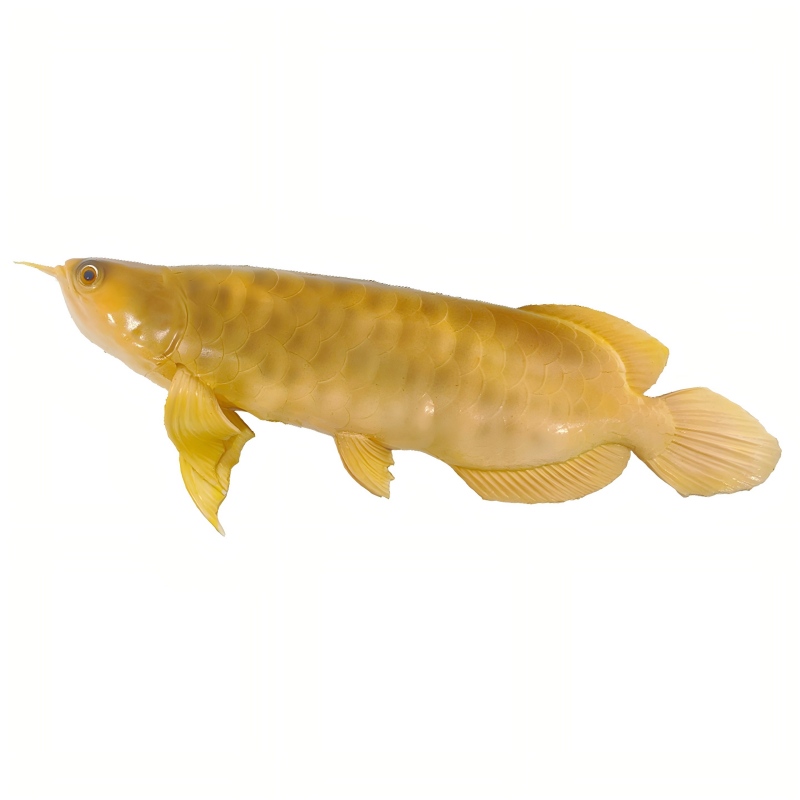
An Intelligent bionic fish represents a specialized class of underwater robot utilizing biomimetic propulsion. By mimicking the caudal fin oscillation of biological fish, these devices generate forward thrust through fluid, wave-like motions. Constructed from advanced polymers and specialized silicones, they lack exposed propellers, fundamentally altering how they interact with the marine environment.
Traditional rotary thrusters generate high-frequency acoustic noise and cavitation bubbles that distress marine life. Biomimetic robots operate silently at speeds up to one and a half meters per second, allowing marine biologists to conduct non-disruptive ecological assessments. Furthermore, the absence of external rotary thrusters significantly reduces the risk of catastrophic tether entanglement in dense underwater kelp forests or complex pipe networks.
An industrial underwater vehicle is a revenue-generating asset. Reliable suppliers provide tools capable of executing high-demand commercial applications consistently.
Commercial shipping companies require regular hull inspections to maintain classification society certifications. Using drones is vastly safer and cheaper than deploying human dive teams. Aquaculture farms utilize these vehicles daily for net integrity checks. The offshore renewable energy sector requires continuous subsea infrastructure monitoring, where vehicles equipped with cathodic protection probes command premium daily contracting rates.
A common procurement error is basing the purchasing decision solely on the initial sticker price. Calculate the total cost of ownership over a standard five-year operational lifecycle. A cheaper upfront option from an unverified supplier often results in a higher overall cost due to frequent breakdowns and lost revenue from operational downtime.
Build a comprehensive financial model incorporating initial capital expenditure, routine operational expenses like O-ring replacements and thruster servicing, and the potential impact of unplanned downtime. Suppliers offering transparent maintenance schedules will consistently accelerate your path to profitability.
Operating commercial underwater drones involves strict legal and environmental responsibilities. Trustworthy manufacturers act as partners in compliance, ensuring their equipment meets rigorous safety standards.
Commercial operators must adhere to guidelines set forth by organizations such as the International Marine Contractors Association. Port authorities often enforce strict rules regarding equipment deployed near critical infrastructure. Establish operational protocols that align perfectly with local maritime laws to avoid severe operational fines.
The legal liability of underwater operations demands that the hardware itself is certified. Request documentation proving adherence to international manufacturing standards. Ensure all subsea components possess a verified IP68 rating for continuous immersion. Topside power supply units must comply with regional electrical safety standards to protect operators from high-voltage hazards in wet environments.
Selecting the right manufacturer is the most critical step in ensuring the long-term success of your subsea operations. Prioritize robust after-sales support, system modularity, and cross-platform compatibility to safeguard your initial capital investment. A reliable partner provides scalable, fully integrated underwater solutions that minimize operational downtime and maximize your revenue potential. Carefully evaluate your specific project environments, calculate your total cost of ownership, and align your procurement strategy with a trusted technology partner. Explore our full range of professional subsea solutions at fulldepthrov.com to find the exact configuration your next mission demands.
A complete turnkey system typically includes the subsea vehicle itself, a neutrally buoyant communication tether, a topside control station, a power supply unit, and the necessary operating software. Purchasing a complete machine ensures that all components are engineered to work seamlessly together, eliminating integration issues and allowing for immediate commercial deployment.
Pricing varies drastically based on capabilities, depth ratings, and payload integrations. Entry-level observation-class vehicles range from five thousand to fifteen thousand dollars. Mid-range light-work class vehicles equipped with basic manipulators typically cost between twenty thousand and fifty thousand dollars. Heavy-duty work-class systems can easily exceed one hundred thousand dollars.
With rigorous preventative maintenance, a high-quality commercial underwater drone can operate effectively for five to seven years. The lifespan heavily depends on operational frequency, environmental harshness, and strict adherence to post-dive freshwater washdown procedures.
Battery-powered systems are ideal for rapid deployments, remote locations, and missions lasting under six hours. Surface-supplied systems are mandatory for heavy-duty tasks like continuous pipeline inspections, high-flow cavitation cleaning, and operations requiring power-hungry payloads like dual robotic manipulators.
This depends entirely on the manufacturer’s design philosophy. Reputable suppliers build modular ecosystems where different vehicles, including track-driven crawlers and free-swimming drones, can be operated using the exact same topside control units and software. Verify this cross-compatibility with the supplier before making your initial purchase.
Yes, while they represent a highly specialized segment of the market, biomimetic underwater robots are commercially available. They are primarily utilized in sectors requiring stealth, ultra-low acoustic signatures, or zero-entanglement risks, such as advanced marine biological research and covert structural inspections.
Reliable support is characterized by transparency and accessibility. Before purchasing, verify if the manufacturer offers explicit warranty terms, guaranteed response times for technical support, and clear technical documentation. Ask explicitly about their standard lead times for shipping critical replacement parts to your specific operational region.


