

WhatsApp:
+8613723476882
E-mail:
E-mail:
A1213 Niulanqian Mansion, Minzhi Blvd, Longhua District, Shenzhen City, Guangdong Province, China
Views: 0 Author: Site Editor Publish Time: 2026-08-28 Origin: Site


Galvanic corrosion, biofouling, and saltwater ingress constantly threaten marine equipment. They represent the primary drivers of premature failure and costly operational downtime. In harsh marine environments, hardware degradation remains a relentless daily reality. Treat preventative maintenance as a critical lever for maximizing return on investment, rather than a mere operational afterthought. Neglecting basic care rapidly accelerates structural decay and component failure. You must proactively manage these environmental threats to protect expensive assets over time. This article provides an evidence-based roadmap for mitigating corrosion and establishing standard operating procedures. We outline actionable protocols to shield your investments from harsh underwater conditions. You will learn how to evaluate hardware durability for long-term deployments effectively. Read on to master the essential anti-corrosion strategies necessary to keep your equipment running flawlessly. By adopting these exact methodologies, operators drastically reduce unexpected repair bills and field failures.
Proactive Flushing: Immediate freshwater flushing post-deployment reduces salt crystallization and micro-abrasion on shaft seals by up to 80%.
Sacrificial Anode Management: Proper selection (Zinc for saltwater, Magnesium for freshwater, Aluminum for brackish) and timely replacement of anodes are non-negotiable for galvanic protection.
Standardized Schedules: Moving from reactive fixes to a strict pre-dive, quarterly, and annual maintenance cadence prevents catastrophic dry-dock repairs.
Procurement Strategy: Evaluating an underwater thruster’s base materials (e.g., hard-anodized aluminum, specialized composites, magnetic couplings) upfront dictates its baseline operational lifespan.
To maximize the operational value of an Underwater Thruster, we must understand the severe financial burden of corrosion. Operators often focus entirely on the initial purchase price. They overlook the long-term operational expenses caused by poor maintenance. Neglecting anti-corrosion practices inflates long-term costs significantly. Premature part replacement and unexpected system failures drain project budgets quickly. Frequent downtime limits operational capabilities and slashes revenue generation. You face exponential repair costs when minor corrosion goes unchecked for months.
Next, consider the mechanics of galvanic corrosion. It happens when dissimilar metals interact inside an electrolyte. Saltwater acts as a highly conductive electrolyte. Electrons flow naturally from the more active metal (anode) to the less active metal (cathode). This electrochemical process causes the anode to dissolve or corrode quickly. Without intervention, critical structural components become the unintended anodes. They degrade rapidly, compromising the entire mechanical housing. We must interrupt this electrical pathway to stop degradation entirely.
What does a long service life actually look like? We define success through strict, measurable operational criteria. First, the unit must deliver sustained thrust efficiency over thousands of hours. Second, it must exhibit zero seal degradation or fluid leaks. Third, the outer housing integrity must remain entirely intact. Achieving these milestones requires relentless dedication to preventative care and continuous monitoring.
Financial Impact Comparison Matrix
Maintenance Approach | Initial Capital Cost | Lifespan Expectancy | Long-Term Financial Impact |
|---|---|---|---|
Reactive (Fix upon failure) | Minimal upfront investment | 12 to 18 months | High (Frequent replacements, severe mission downtime) |
Proactive (Strict daily SOPs) | Moderate (Anodes, specialized greases) | 5+ years | Low (Predictable scheduling, maximized asset ROI) |
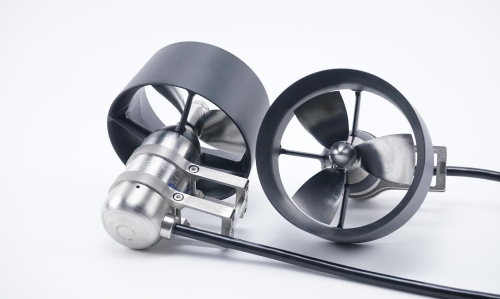
When you extract an Underwater Thruster from the water, the clock starts ticking. Immediate threat mitigation prevents microscopic damage from escalating into major faults. The freshwater flush standard remains your most critical defense line. You must thoroughly flush the equipment using clean, pressurized freshwater. Do this immediately after extraction from saltwater or contaminated environments. Saltwater leaves behind harsh saline residues upon rapid evaporation. These residues crystallize into sharp, abrasive salt deposits quickly. When the propeller spins, these microscopic crystals grind against soft rubber seals. This severe micro-abrasion leads directly to fluid ingress and motor death.
To prevent this, adopt a rigorous visual inspection framework. You must systematically search for entangled debris after every dive. Follow these prioritized steps during your standard post-dive routine:
Inspect the propeller base for tightly wrapped fishing line or synthetic nets.
Remove trapped kelp, mud, or organic debris from the main nozzle carefully.
Examine the primary shaft for microscopic scoring or uneven rotational wear.
Check external cables and potting joints for visible swelling or micro-cracks.
Verify all external fasteners remain tight and completely free of initial rust spots.
Entanglement creates dangerous micro-fissures in external dynamic seals. These tiny cuts invite immediate corrosion and internal water intrusion. Spotting them early prevents catastrophic internal shorts and electrical fires. Proper drying and storage protocols seal the deal. Never store damp equipment inside non-ventilated transit cases. Trapped moisture creates a highly humid microclimate inside the box. This stagnant environment accelerates mold growth and unseen galvanic reactions. Instead, dry the unit thoroughly using compressed air or microfiber towels. Store your gear inside a climate-controlled, low-humidity facility. Proper ventilation prevents residual moisture from degrading delicate internal electronics overnight.
Long-term survival underwater demands specialized surface management strategies. Cathodic protection relies entirely on high-quality sacrificial anodes. These sacrificial metals willingly corrode to protect the main structural components. You must choose the correct anode material based on your specific operational environment. Using the wrong metal renders the protection completely useless.
Saltwater Environments: Strictly utilize Zinc anodes for optimal galvanic protection.
Freshwater Environments: Deploy Magnesium anodes, as they offer higher driving voltage.
Brackish Water Environments: Aluminum anodes provide the best balanced protection here.
A critical rule of thumb governs sacrificial anode management globally. Always replace sacrificial anodes when they reach exactly 50% mass depletion. Do not wait until they dissolve completely into the water. Furthermore, never paint or coat a sacrificial anode. Paint electrically isolates the anode, immediately destroying its protective capabilities.
Next, consider marine-grade coatings and anti-fouling treatments. Specialized marine paints significantly reduce biological growth on outer housings. Silicone-based foul-release coatings prevent barnacles and algae from attaching firmly. However, you must carefully evaluate implementation risks before application. Ensure these chemical coatings remain fully compatible with your base materials. Never apply thick coatings near moving parts or delicate cooling pathways. Obstructed cooling channels cause severe motor overheating and irreversible internal damage.
Lubrication protocols form the final barrier against aggressive moisture. Specify the exclusive use of marine-grade, dielectric greases. Apply them generously to all exposed electrical connectors and rubber O-rings. Dielectric grease creates a robust, hydrophobic barrier against water ingress. It also prevents delicate rubber seals from drying out and cracking under pressure. Maintain these crucial lubrication layers routinely to ensure maximum waterproof integrity.
Moving from reactive repairs to standardized schedules ensures absolute reliability. A strict maintenance cadence prevents catastrophic dry-dock repairs entirely. You must enforce strict compliance across your entire technical team.
Start with a mandatory pre-deployment checklist before every single dive. Verify the structural integrity of your sacrificial anodes first. Confirm the propeller rotation remains entirely unobstructed and perfectly smooth. Check all watertight connections, locking collars, and heavy electrical tethers. You must ensure zero visible defects exist before submersion. Skipping this brief check invites disastrous mid-mission failures.
Schedule comprehensive quarterly system audits for all active fleet units. Perform deep cleaning procedures to remove stubborn bio-films effectively. Test the electrical continuity across all major power cables. Recalibrate internal sensors to maintain precise navigational accuracy underwater. Inspect internal seal integrity meticulously during these reviews. However, do this without breaching pressurized compartments unnecessarily. Opening sealed chambers in humid environments risks trapping internal moisture. Use pressure vacuum testing tools to verify seal health externally.
Finally, mandate rigorous annual servicing or dry-dock maintenance. This phase requires a comprehensive teardown if supported by the manufacturer. Technicians must execute precise bearing replacements to maintain optimal operational efficiency. Perform full re-lubrication of all internal gearboxes and dynamic seals. Conduct structural integrity testing on the main chassis. We recommend utilizing ultrasound or dye-penetrant testing for critical pressure housings. This reveals invisible stress fractures before they split open under deep-sea pressure. Document every step to build a highly reliable maintenance history log.
Your ultimate defense against corrosion begins long before deployment. It starts during the initial procurement and vendor evaluation phase. Evaluating the bill of materials represents the absolute first step. You must prioritize components built from inherently corrosion-resistant materials. Modern engineering offers highly durable alternatives to standard stainless steel.
Consider advanced plastics and composites like Delrin or glass-filled polycarbonate. They completely eliminate galvanic corrosion risks on non-structural components. For heavy-duty frames, demand Type III hard-anodized aluminum. This specialized electrochemical process creates a thick, protective oxide layer. It drastically improves resistance to saltwater abrasion and scratching. For the most extreme ocean depths, Titanium provides unmatched tensile strength and flawless corrosion immunity.
Next, closely analyze the internal seal architecture. Traditional shaft seals remain highly prone to ongoing mechanical wear. Grit and sand inevitably grind against these dynamic rubber barriers. Over time, this constant friction causes unavoidable water ingress. In contrast, magnetically coupled thrusters offer a vastly superior alternative. They transmit torque seamlessly across a solid, non-magnetic barrier. This completely seals the internal motor compartment from the environment. It creates a highly desirable, zero-leak potential system. This modern architecture drastically reduces routine maintenance requirements for operators.
Finally, assess the vendor support and surrounding product ecosystem. A premium product fails quickly without proper operational backing. Verify the manufacturer provides exceptionally clear maintenance documentation. Ensure they supply accessible, reasonably priced replacement parts globally. You will regularly need custom anodes, replacement propellers, and specific O-ring kits. Responsive technical support is equally vital for troubleshooting complex field issues. Choose vendors who actively prioritize long-term equipment survivability.
Extending the service life of marine equipment demands consistent daily dedication. It requires a potent combination of smart upfront procurement and disciplined maintenance. You cannot rely on rugged construction alone to fight the ocean. Proactive flushing, proper anode management, and standardized schedules form your primary defense. They drastically reduce long-term operational expenses and unexpected system failures. By rigorously controlling surface degradation, you protect your critical hardware investments effectively.
Take immediate action to improve your fleet's reliability today. Audit your current maintenance SOPs to identify critical procedural gaps. Inspect your existing equipment for early signs of galvanic wear or micro-abrasions. Upgrade your cleaning protocols to include mandatory freshwater flushing immediately. Finally, consult with a technical specialist regarding your next marine project. Evaluate highly durable, low-maintenance hardware alternatives featuring magnetic couplings or advanced composites. Diligent preparation guarantees sustained success in the harshest marine environments.
A: Inspect before every deployment; replace strictly when 50% of the anode mass is depleted to ensure continuous galvanic protection.
A: Avoid standard petroleum-based sprays as they can degrade rubber O-rings and polyurethane seals. Only use manufacturer-approved, marine-grade silicone or dielectric greases.
A: Yes, though the degradation rate is slower. Freshwater still harbors biological growth and mineral deposits, and requires Magnesium anodes instead of Zinc for effective cathodic protection.


